Stuart Barden in Kenya
Tuesday, June 27, 2017
Friday, June 23, 2017
Friday, May 26, 2017
First field day using 100% Kamba language (Samson spoke)
We had 46 smallholder farmers visit today, great group, Ausquest's Samson did all the talking in the Kamba language.
We looked at our commercial chickpea crop then we visited our Admin managers crop of yellow beans.
Showing that it's possible to practice conservation farming on a 1 hectare field and produce great crops.
David's yellow beans look very good considering we have only recieved about 50% of our annual rainfall to date.
Thursday, April 27, 2017
Tuesday, March 21, 2017
2017 planting in progress
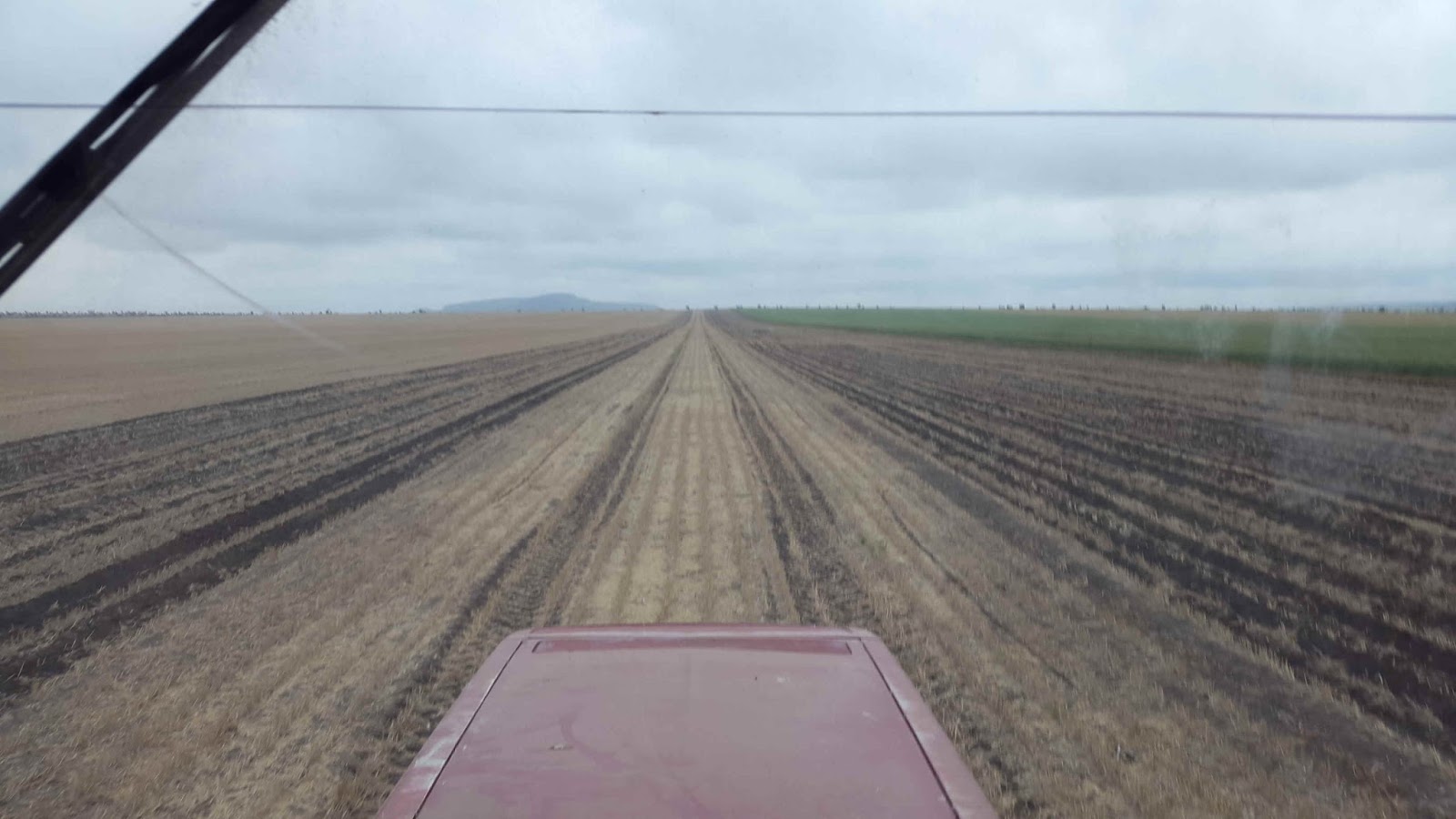
We started planting a week or so ago, running 24 hours with a fairly smooth run, sort of dry planting although we recieved 10 to 14mm last week which was neither your arm or your elbow. (Not dry but not really moist enough either)
Clouds building up each day and so Friday would be a great day for the long rains of 2017 to start, I have put my order in.
Tuesday, February 7, 2017
Saturday, December 17, 2016
Next years crop water is in the bank (moisture bank)
This screen shot (click on it to expand) is from a moisture probe located in a field that grew Mung Beans (Green Grams) in 2016, harvested in Aug 2016.
The graph shows that there was exactly the same % of moisture in the soil profile at 60cm on 10th of November 2016 as there was on the 1st of Sept 2016, you will see a small increase around mid November as we had 132mm over the second half of Nov which found its way down.
People are sometimes sceptical about the medium to long term capacity of these heavy black cracking soil to store water over time, tool's like this help us learn so much about soil moisture, infiltration rates and so much more.
Our soil can hold a lot more water although only time will tell how much we end up with, we will aim to plant in the first 15 days of March, the long rains usually come between the 20th of march and the 1st April. (the long rains happens over 50 days most years) i.e start around the 20th March and finish on around 10th of May.
Friday, December 9, 2016
Saturday, October 29, 2016
Saturday, October 8, 2016
Sunday, September 4, 2016
Monday, August 29, 2016
Friday, August 19, 2016
Saturday, August 6, 2016
Thursday, July 14, 2016
Wednesday, July 13, 2016
Thursday, June 23, 2016
Chickpeas up and away
We finished harvesting this field of wheat one day and planted chickpeas the next (370 ha), our workshop has been a hive of activity building the above land roller to make harvesting the chickpeas a happier experience. (to be painted next week)
The Chickpeas are two varieties from Tanzania, with not much (probably under 20mm total rain) expected over July/Aug/Sept and Oct they will have to show themselves the tough plant I think they are.
Tuesday, June 14, 2016
Friday, June 3, 2016
Tuesday, May 24, 2016
Subscribe to:
Posts (Atom)